
Exposing the top five gambling myths that can cost you dearly
The Myth of «Lucky Systems»
Many gamblers believe in so-called «lucky systems» that promise to increase their chances of winning significantly. These systems often involve complex strategies, such as specific betting patterns or using historical data to predict outcomes. While it’s enticing to think that a foolproof strategy exists, the reality is that gambling outcomes are largely random, especially in games like slots or roulette where the house edge is predetermined. Trusting a system can lead to misguided beliefs and potentially serious financial losses. Understanding the best options, such as trusted forex brokers, can help mitigate these misguided approaches.

The allure of a lucky system can be even more compelling due to confirmation bias; gamblers may focus on rare winning streaks while ignoring the numerous times they lose. This psychological effect can foster an unhealthy relationship with gambling, where players become trapped in a cycle of chasing losses by doubling down on their bets. This cycle can ultimately lead to mounting debt and emotional distress, further emphasizing the importance of understanding the odds involved in gambling.
Moreover, professional gamblers know that no system can alter the inherent randomness of these games. Instead of relying on unfounded beliefs, successful players focus on bankroll management and understanding the odds. This rational approach not only keeps their gambling experience enjoyable but also minimizes the risk of financial loss, reinforcing the notion that gambling should be viewed as a form of entertainment rather than a path to wealth.
The Fallacy of the Hot Streak
The belief that a «hot streak» can occur is common among gamblers, suggesting that a player experiencing a series of wins will continue to win. This misconception often leads people to place larger bets, thinking that luck is on their side. In reality, each round of a game, such as poker or blackjack, is independent of previous rounds. Just because a player has won several times in a row does not mean they will continue to do so. This is a classic case of the gambler’s fallacy, which can be detrimental to one’s finances.
This psychological phenomenon can be exacerbated in environments filled with excitement and adrenaline, such as casinos. The atmosphere can cloud judgment and lead to impulsive decisions based on past wins. Gamblers often forget that the outcomes remain random and the house always has an edge. Ultimately, the false belief in a hot streak can prompt players to chase their wins and recover losses, which frequently results in losing more money.
Educating oneself about the nature of probability can help dispel this myth. Understanding that each bet is a separate entity can empower gamblers to make more informed decisions. Recognizing that wins and losses are part of the game helps create a healthier gambling mindset, reducing the urge to gamble recklessly during a perceived hot streak.
The Illusion of Control
Many gamblers fall into the trap of believing they have control over game outcomes, particularly in games involving skill like poker. While strategy and psychology do play a role, the randomness of card dealing and dice rolling remains uncontrollable. This illusion can lead players to take unnecessary risks, believing they can manipulate the game in their favor. In reality, this false sense of control can result in significant financial losses.
This myth can stem from a player’s past successes or experiences, leading them to believe that their strategies can be applied universally. However, professional gamblers know that even the best strategies can’t change the fundamental odds of the game. Acknowledging that luck plays a significant role can help mitigate the risk of gambling compulsively and encourage responsible play, allowing individuals to enjoy gambling as a pastime rather than a source of income.
Moreover, recognizing the limits of one’s influence on game outcomes can foster healthier gambling habits. By accepting that some aspects are beyond control, players can focus on responsible bankroll management and understand when to walk away. This approach not only reduces the likelihood of financial harm but also enhances the overall enjoyment of gambling.
The Misconception of Gambling as a Quick Money Maker
Many individuals are drawn to gambling with the hope of quick financial gains. The portrayal of gambling in media often romanticizes winners, creating unrealistic expectations about the potential for profit. However, the truth is that gambling is far more likely to lead to losses than substantial wins. The reality of the house edge ensures that over time, casinos and gambling establishments are the ones who profit, not the players.
This misconception can lead individuals to take undue risks, investing more money than they can afford to lose in the hopes of striking it rich. The excitement surrounding jackpots and big wins can cloud judgment, causing players to ignore warning signs that they should cut their losses. The truth is that for every big winner, there are countless players who lose their entire bankrolls, reinforcing the notion that gambling should not be seen as a legitimate financial strategy.
Understanding that gambling is primarily a form of entertainment rather than a reliable source of income is crucial. By setting limits and approaching gambling with a mindset focused on enjoyment rather than profit, players can create a more sustainable and enjoyable experience. This shift in perspective can ultimately safeguard against the pitfalls of viewing gambling as a means to wealth.
Understanding the Gambling Environment
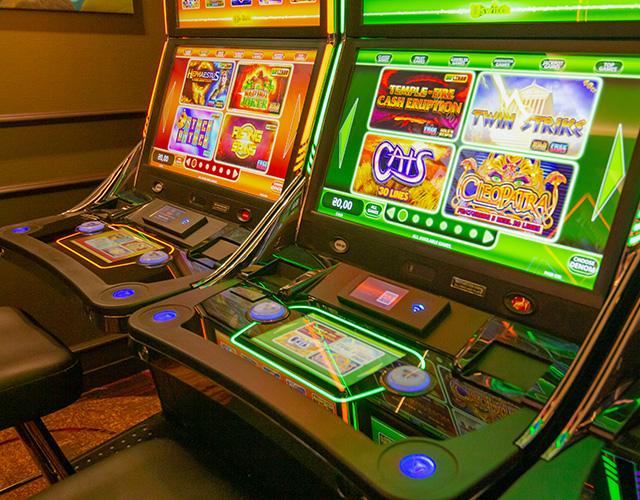
It’s essential to recognize that the gambling environment itself plays a significant role in shaping the experiences and beliefs of players. Many gambling establishments are designed to create an atmosphere that encourages play, often featuring bright lights, sounds, and other sensory stimuli. This environment can intensify the beliefs surrounding luck, control, and winning, further perpetuating the myths discussed.
Moreover, responsible gambling practices must be emphasized. Players need to educate themselves about the risks involved and seek out resources that promote informed decision-making. Understanding the inherent nature of gambling as a game of chance, rather than a sure path to fortune, can help individuals maintain control over their gambling habits.
By fostering a healthy understanding of the gambling environment and promoting responsible gambling practices, players can enjoy the experience without falling prey to harmful myths. Knowledge is empowering; by debunking these myths, gamblers can safeguard their finances while enjoying their pastime responsibly.
